






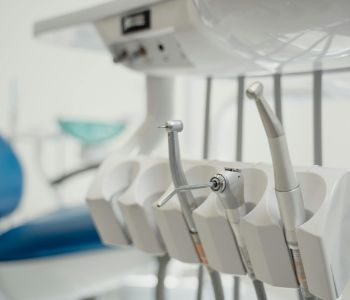
Every dental professional knows the frustration of reaching for a handpiece during a procedure and realizing something is not performing as expected.
A decrease in cutting efficiency, increased vibration, unusual noise, or inconsistent performance can interrupt workflow and create unnecessary challenges during patient care. Although dental handpieces are designed to operate under demanding conditions, their reliability depends on several factors working together — from internal component quality to proper maintenance and daily handling.
As dental practices continue focusing on efficiency, reliability, and long-term value, more attention is being placed on what truly influences handpiece performance.
The conversation around dental handpieces is shifting and practices are no longer only looking at speed ratings or initial purchase price. They are considering overall performance, serviceability, durability, and how well their equipment can support their workflow over time.
Reliability Is Becoming a Greater Priority for Dental Practices
Dental handpieces are among the most frequently used instruments in a dental office. With repeated exposure to high speeds, sterilization cycles, and daily clinical demands, even high-quality equipment requires proper care to maintain performance.
Unexpected handpiece issues can lead to:
- Procedure delays
- Increased repair costs
- Reduced clinical efficiency
- Disruptions to daily schedules
As a result, many practices are placing greater emphasis on equipment longevity and preventive maintenance.
Rather than waiting until a handpiece experiences complete failure, proactive practices are focusing on routine care, proper cleaning procedures, and regular evaluation to help identify potential issues before they become larger problems.
Sable Insight: Precision Components Make a Difference
Inside every high-speed dental handpiece is a precision-engineered turbine assembly designed to operate at extremely high speeds.
At hundreds of thousands of RPM, small internal components play a significant role in overall performance. Issues such as bearing wear, insufficient lubrication, contamination, or component imbalance can gradually affect:
- Cutting performance
- Noise levels
- Vibration
- Torque delivery
- Overall handpiece lifespan
Many handpiece problems do not happen overnight. They often develop gradually due to normal wear or improper maintenance practices.
Understanding the relationship between internal components and performance allows dental professionals to make better decisions about equipment care and replacement.
Advances in Bearing Technology Continue to Improve Performance
One of the most important areas of development within dental handpieces is bearing technology.
Traditional steel bearings have been widely used throughout the dental industry for years. However, ceramic bearings have become increasingly recognized for their performance advantages in high-speed applications.
Ceramic bearings can offer benefits including:
- Reduced friction
- Improved resistance to corrosion
- Lower heat generation
- Smooth rotational performance
- Increased durability during demanding procedures
Because the turbine assembly operates under extreme conditions, bearing quality can have a direct impact on handpiece reliability.
For practices looking to maximize equipment performance, understanding the role of internal components is an important part of selecting and maintaining dental handpieces.
Preventive Maintenance Is Essential for Long-Term Performance
A dental handpiece is a precision instrument that requires consistent maintenance to perform properly.
Proper cleaning, lubrication, sterilization, and water management all contribute to extending equipment lifespan.
Some common factors that impact handpiece longevity include:
Lubrication Practices
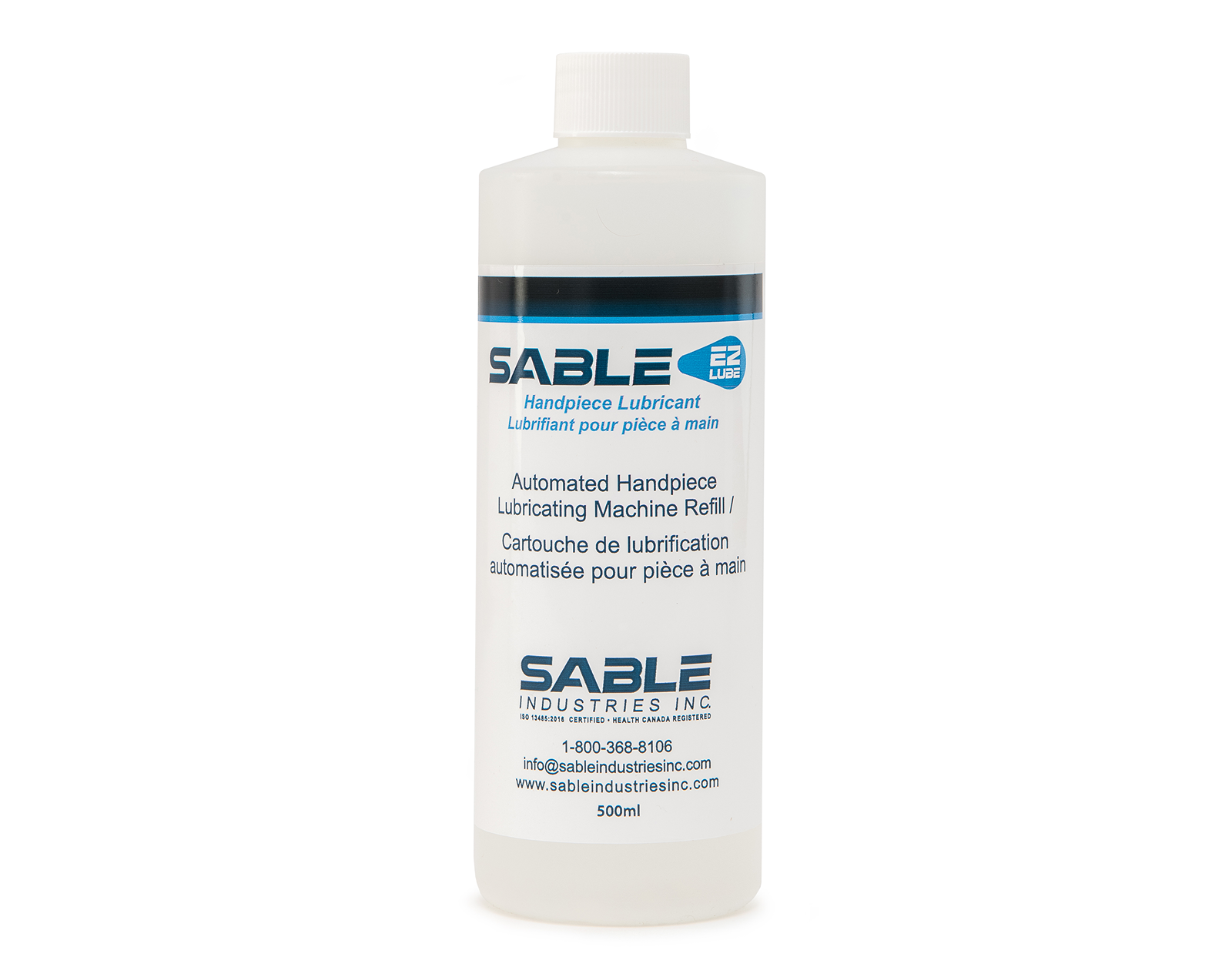
Proper lubrication helps reduce friction and protect internal components from premature wear. Both insufficient lubrication and improper lubrication techniques can negatively affect turbine performance.
Water Quality
Water quality plays an important role in protecting internal handpiece components. Mineral buildup and contaminants can contribute to corrosion, blockages, and reduced performance over time.
Sterilization Procedures
Handpieces are exposed to repeated sterilization cycles, making proper care procedures essential. Following manufacturer recommendations helps maintain reliability while supporting infection prevention standards.
Performance Is About More Than Speed
When selecting a high-speed handpiece, speed is often one of the first specifications considered. However, RPM alone does not determine overall performance.
A reliable handpiece should provide consistent results during everyday procedures.
Important performance factors include:
- Consistent torque delivery
- Smooth operation
- Reduced vibration
- Comfortable ergonomics
- Reliable cutting efficiency
Different procedures and clinical preferences may require different handpiece characteristics. The best solution is not always the one with the highest specifications—it is the one that provides predictable performance when it matters most.
Ergonomics Continue to Influence Handpiece Design
Dentistry requires precision, control, and repetitive movements throughout the day. Because of this, ergonomics remain an important consideration in handpiece development.
Modern handpiece designs continue focusing on:
- Improved balance
- Reduced vibration
- Comfortable handling
- Lightweight construction
- Better operator control
A well-designed handpiece can contribute to a more comfortable working environment while supporting clinical precision.
Repairability and Equipment Longevity Are Becoming More Important
Dental practices are becoming increasingly aware of the long-term value of maintaining quality equipment.
When a handpiece begins showing signs of wear, replacement is not always the only option. Repair and component replacement can often extend the useful life of a well-maintained instrument.
Benefits of repairing equipment include:
- Reduced replacement costs
- Less equipment waste
- Minimized workflow interruptions
- Improved return on investment
Extending the lifespan of dental equipment benefits both the practice and the environment by reducing unnecessary disposal and replacement.
What Does the Future Hold for Dental Handpieces?
The future of dental handpieces will continue to be shaped by improvements in engineering, materials, and maintenance practices.
While technology will continue advancing, the fundamentals of reliable handpiece performance remain consistent:
- Quality components matter.
- Proper maintenance matters.
- Consistent performance matters.
A dental handpiece represents a significant investment for any practice. Understanding how these instruments function and how to properly care for them can help dental professionals improve reliability, reduce downtime, and protect their equipment investment.
Final Thoughts
As dental technology continues advancing, handpiece performance will remain a critical part of everyday clinical success.
The practices that prioritize proper maintenance, quality components, and long-term equipment care will be better positioned to maximize the value of their investments.
At Sable Industries, our focus has always been on helping dental professionals maintain reliable equipment through precision components, replacement solutions, and technical expertise.
Have questions about dental handpiece performance, maintenance, or replacement components? Contact Sable Industries at [email protected] to speak with our team and learn how we can support your practice.