






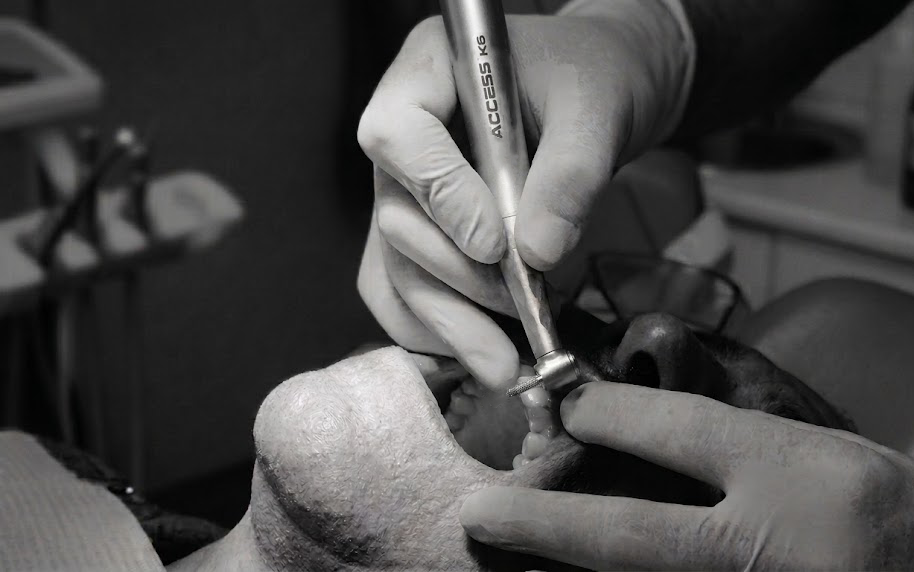
One of the most common misconceptions about dental handpieces is that they fail without warning.
In reality, most handpieces provide signs long before they stop working completely.
A slight increase in noise. A change in vibration. Reduced cutting efficiency. A turbine that does not feel as smooth as it once did.
These small changes are often the first indication that internal components are beginning to wear.
After years of servicing and rebuilding dental handpieces, one thing becomes clear: not every underperforming handpiece needs to be replaced, but not every handpiece is worth repairing.
Knowing the difference can help dental practices reduce unnecessary costs, minimize downtime, and make better decisions about their equipment.
Understanding Why Dental Handpieces Wear Over Time
Dental handpieces are precision instruments designed to operate under demanding conditions.
A high-speed handpiece turbine can rotate hundreds of thousands of revolutions per minute while being exposed to repeated sterilization cycles, temperature changes, moisture, and daily clinical use.
Over time, normal wear can affect several internal components, including:
- Bearings
- Turbine assemblies
- Chucks
- O-rings and seals
- Internal mechanisms
While quality handpieces are designed for durability, no mechanical instrument lasts forever. The key is recognizing when performance changes are simply part of normal wear versus a sign of a larger issue.
The Warning Signs Your Dental Handpiece May Need Service
Most handpiece failures do not happen suddenly. They typically develop gradually.
Here are some of the most common signs that a handpiece may require attention.
Increased Noise
A handpiece that becomes noticeably louder than usual may indicate bearing wear or internal imbalance.
While some sound variation is normal, a change in pitch, grinding noise, or increased operating volume should not be ignored.
Increased Vibration
A smooth-running handpiece should feel balanced and controlled.
Excessive vibration can indicate issues with:
- Worn bearings
- Turbine imbalance
- Internal damage
- Debris contamination
Continued operation with excessive vibration can lead to additional component wear.
Reduced Cutting Performance
One of the most noticeable signs for clinicians is a decrease in cutting efficiency.
A handpiece that requires more pressure to achieve the same results may be experiencing:
- Reduced turbine performance
- Bearing wear
- Improper lubrication
- Internal buildup
Poor Bur Retention
If a bur does not seat securely or begins slipping during operation, the chuck assembly may require service.
A worn chuck can affect both performance and safety during procedures.
From the Repair Bench: What We Commonly See
One of the biggest misconceptions we encounter is that a handpiece that is not performing properly automatically needs replacement.
Often, the issue is related to a specific component that has reached the end of its service life.
For example, a handpiece may have an excellent housing and years of remaining potential but require a turbine replacement or bearing service to restore performance.
On the other hand, some handpieces have reached a point where continued repairs are no longer the most practical solution.
The difference comes down to the overall condition of the instrument—not just one individual component.
When Repairing a Dental Handpiece Makes Sense
Repair is often a practical option when the handpiece itself remains in good condition, and the issue is isolated to replaceable components.
A repair may be worthwhile when:
- The housing is in good condition
- Internal components can be replaced
- The handpiece has a history of reliable performance
- The repair restores expected function
- Replacement costs significantly exceed service costs
A properly rebuilt handpiece can often provide many more years of dependable performance when quality components and proper service procedures are used.
When Replacement May Be the Better Option
While repairs can extend the life of many handpieces, there are situations where replacement makes more sense.
Replacement may be the better choice when:
- The handpiece has experienced repeated failures
- Major structural damage has occurred
- Replacement parts are no longer available
- Repair costs approach the cost of a new unit
- The handpiece no longer meets the practice’s clinical needs
The goal is not to repair every handpiece indefinitely. The goal is to make the decision that provides the best long-term value.
How Proper Maintenance Can Extend Handpiece Life
Many premature handpiece failures are preventable with consistent maintenance practices.
A few important habits include:
Follow Proper Lubrication Procedures
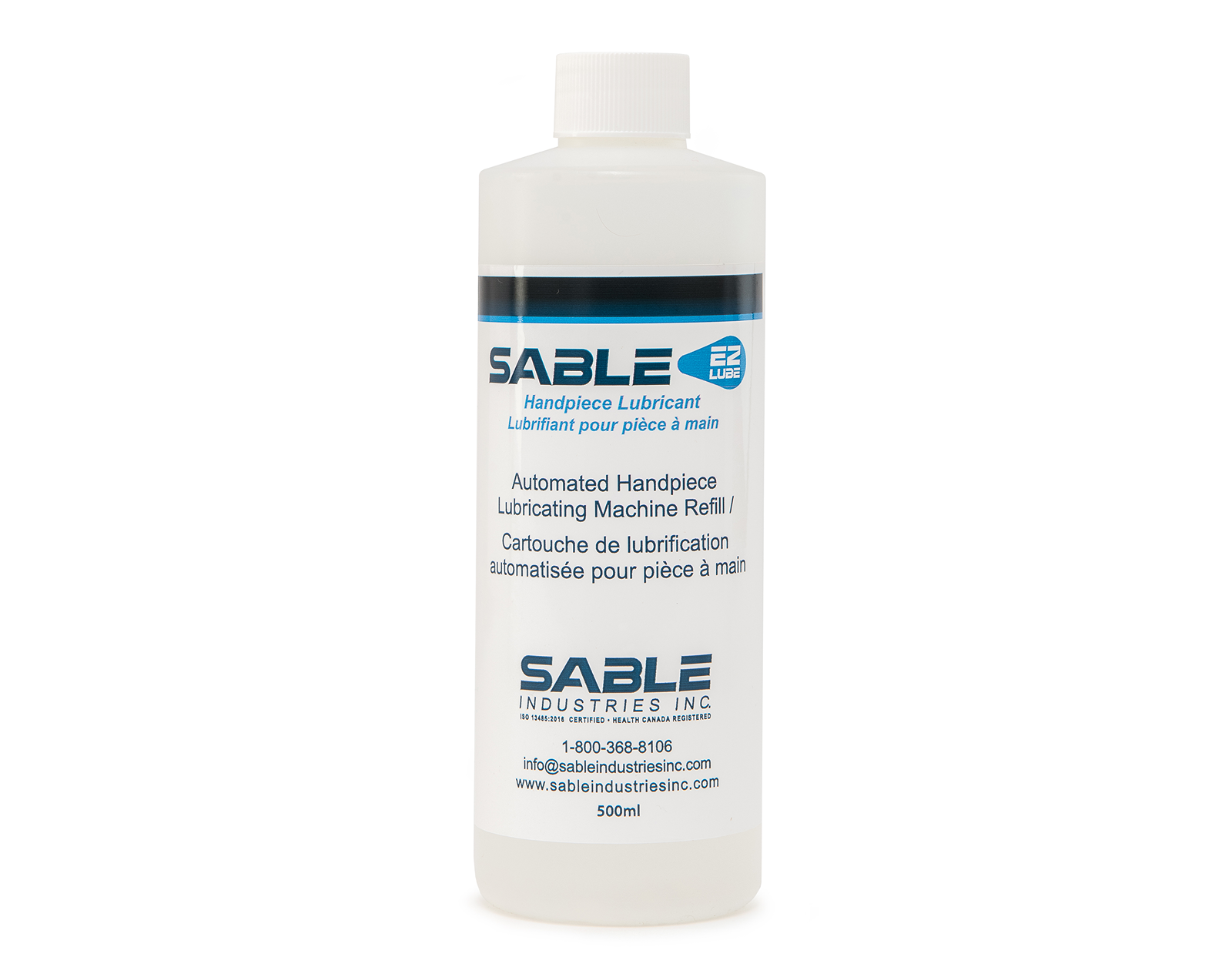
Lubrication helps reduce friction and protect internal components. Both insufficient lubrication and improper lubrication techniques can contribute to premature wear.
Maintain Proper Water Quality
Mineral buildup and contaminants can affect internal components over time. Proper water management plays an important role in equipment longevity.
Avoid Operating Damaged Equipment
Continuing to use a handpiece with noticeable vibration, noise, or reduced performance can increase the risk of additional damage.
Addressing small issues early often prevents larger repairs later.
Making the Right Decision for Your Practice
There is no universal answer to whether a dental handpiece should be repaired or replaced.
The right decision depends on:
- The condition of the handpiece
- The extent of the damage
- Repair history
- Availability of replacement components
- Overall cost considerations
A reliable evaluation from an experienced technician can help determine whether a handpiece has more life left or whether replacement is the better investment.
Final Thoughts
Dental handpieces are built to handle demanding clinical environments, but even the highest-quality instruments require proper care and maintenance.
The most important step is recognizing the warning signs early.
A handpiece that is making unusual noise, vibrating differently, or losing performance does not always mean it has reached the end of its life. In many cases, proper service can restore performance and extend its usable lifespan.
At Sable Industries, we specialize in helping dental professionals maintain reliable equipment through precision components, replacement solutions, and technical expertise.
Have questions about dental handpiece repair, maintenance, or replacement components? Contact Sable Industries at [email protected] to speak with our team and learn how we can support your practice